If you are buying a home in the Phoenix metro, a termite inspection is one of the small line items that can quietly hold up a closing. It is also one of the easiest to get out of the way early.
Here is what it is, when you need it, and what actually happens if the inspector finds something.
Is a termite inspection required in Arizona?
Not by law, on every sale. But in practice most buyers end up getting one, for three reasons:
- Most lenders require it. A Wood Destroying Insect Inspection Report is a standard condition on a large share of Arizona mortgages, and VA and FHA loans generally require one.
- Subterranean termites are genuinely active here. The Valley sits on some of the most termite-active ground in the country. This is not a formality inherited from a wetter state.
- The damage is hidden by design. Termites work inside the wood, behind the stucco, under the slab. A house can look immaculate and still have active galleries in the framing.
If you are refinancing rather than buying, the same report is often required.
What a Wood Destroying Insect Report actually covers
The WDIIR is the official Arizona document. A licensed inspector examines the structure and records three separate things:
- Evidence of active infestation — live termites, fresh mud tubes, active galleries.
- Visible damage — whether previous activity has damaged the structure, and where.
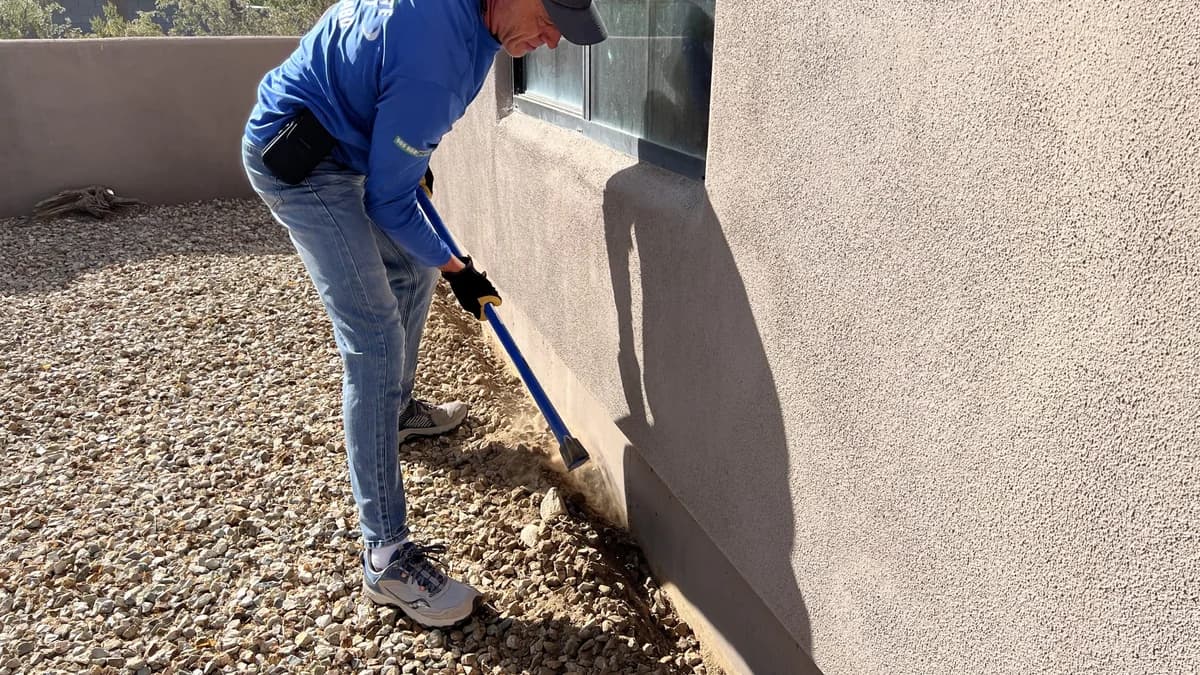
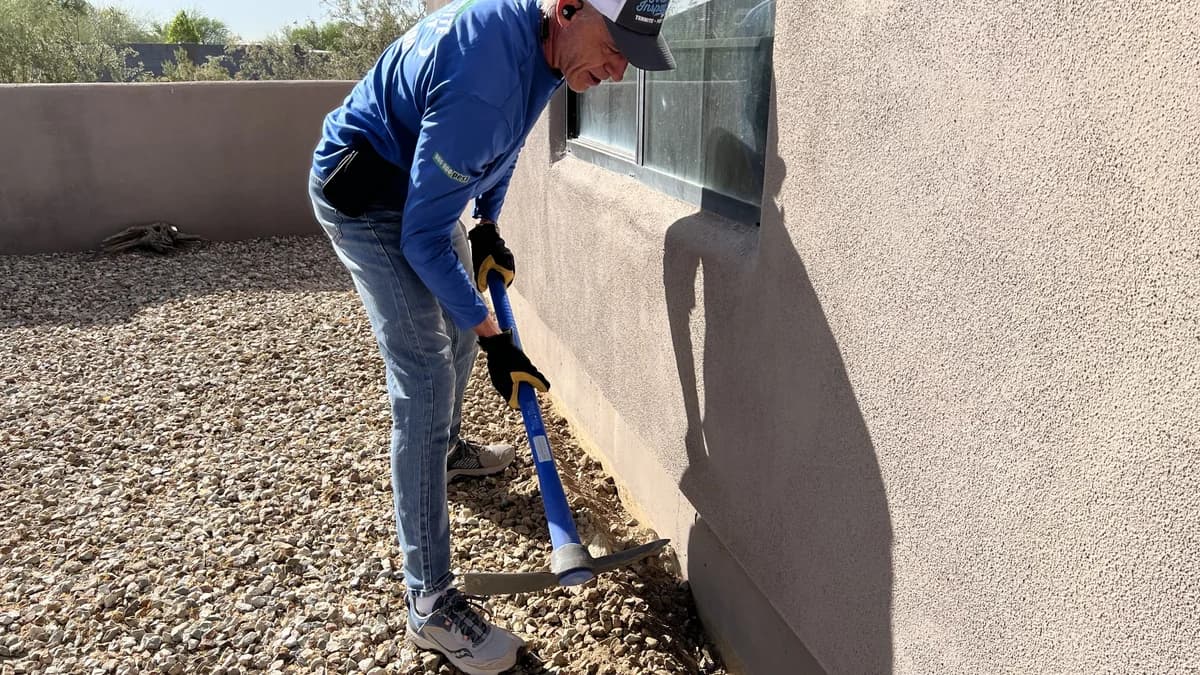
- Conducive conditions — the things that invite termites in: soil contact with wood, landscape rock piled above the stem wall, leaking irrigation, wood debris against the foundation.
That third category surprises people. A property can pass with no live termites and still have findings on the report, because the conditions that would invite them are present. Those findings are usually cheap to correct and worth correcting regardless of the sale.
The completed report goes to the interested parties — buyer, seller, lender and agents.
What the inspector is looking for in an Arizona home
Subterranean termites need contact with soil moisture, so they build shelter tubes from the ground into the timber. An inspector is checking the places those tubes appear:
- The stem wall, inside and out — pencil-width mud tubes running up the foundation are the classic sign.
- Where landscaping meets the house. Granite and soil piled above the weep screed give termites a covered bridge straight past the barrier.
- Irrigation and hose bibs. Persistent moisture next to the foundation is the single most common conducive condition in the Valley.
- The garage, patio posts and any wood in soil contact — fence posts, planters, firewood stacked against the wall.
- Interior evidence — hollow-sounding wood, blistered drywall or paint, tight-fitting door and window frames, and discarded wings on windowsills after a summer rain.
If the report finds termites
This is the part people worry about, and it is worth putting in perspective: finding termites during an Arizona transaction is common, and it is usually resolvable within the closing timeline.
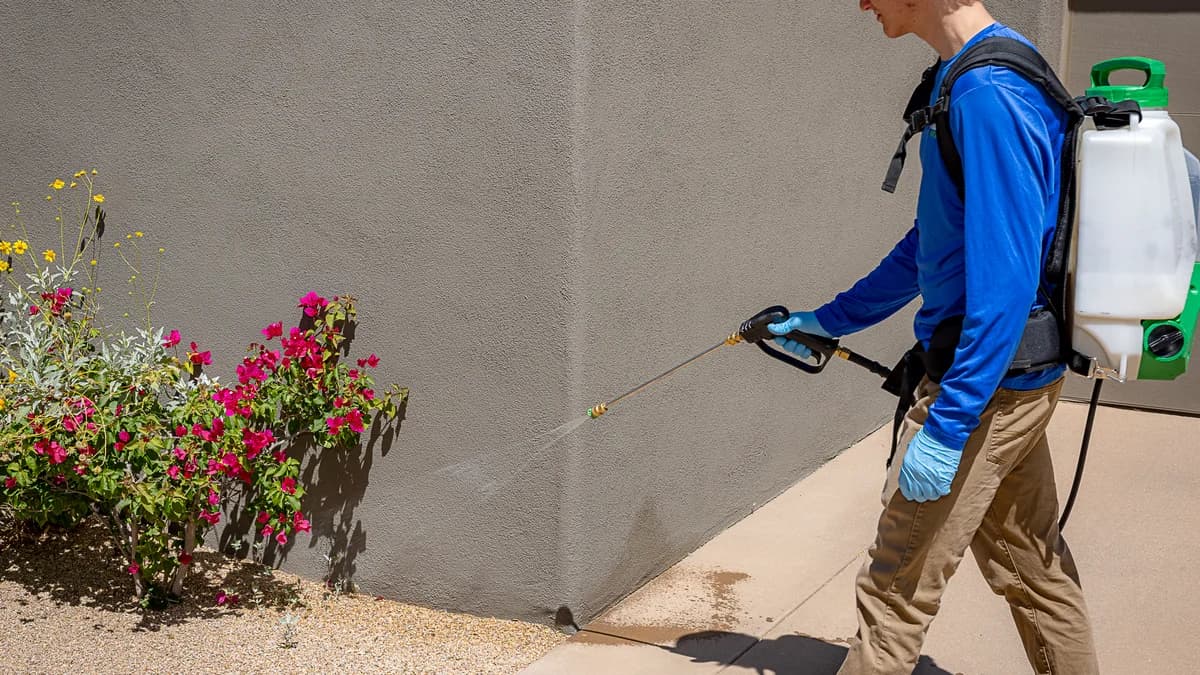
What happens is straightforward. The report documents the activity. Treatment is quoted. The treatment is carried out and documented, and that documentation satisfies the lender. Who pays is negotiated between buyer and seller like any other repair item.
What you should not do is let it sit. A finding that is dealt with in week one of a 30-day escrow is an administrative task. The same finding raised in the final week is a problem.
How to stop it delaying your closing
The inspection is quick. Scheduling is what causes delays. Three things help:
- Book as soon as you have a date. Not once every other contingency clears.
- Tell the company your closing date up front. It changes how they schedule you. Realtors use us specifically because when a report is needed fast, we make it happen.
- If you are the seller, consider getting it done in advance. A clean report in hand removes an entire category of last-minute negotiation.
After you move in
Once the transaction closes, the inspection stops being paperwork and starts being maintenance. Termites in Arizona work out of sight, so an annual inspection is the difference between a small treated area and a structural repair. Several of our long-standing customers have held a termite contract for a decade or more for exactly this reason.
It is also worth fixing the conducive conditions the report flags — pulling landscape rock back below the stem wall, repairing leaking irrigation, getting firewood off the ground and away from the house. Cheap now, expensive later.
Booking an inspection
We perform termite inspections and prepare the official Wood Destroying Insect Report across the Phoenix metro, and we schedule around closing dates as a matter of routine.
Call (480) 778-1480 with your property and your date, or read more about our termite inspection and WDIIR service. If you want to understand what termite treatment involves once a report has findings, that is covered on our termite control page.